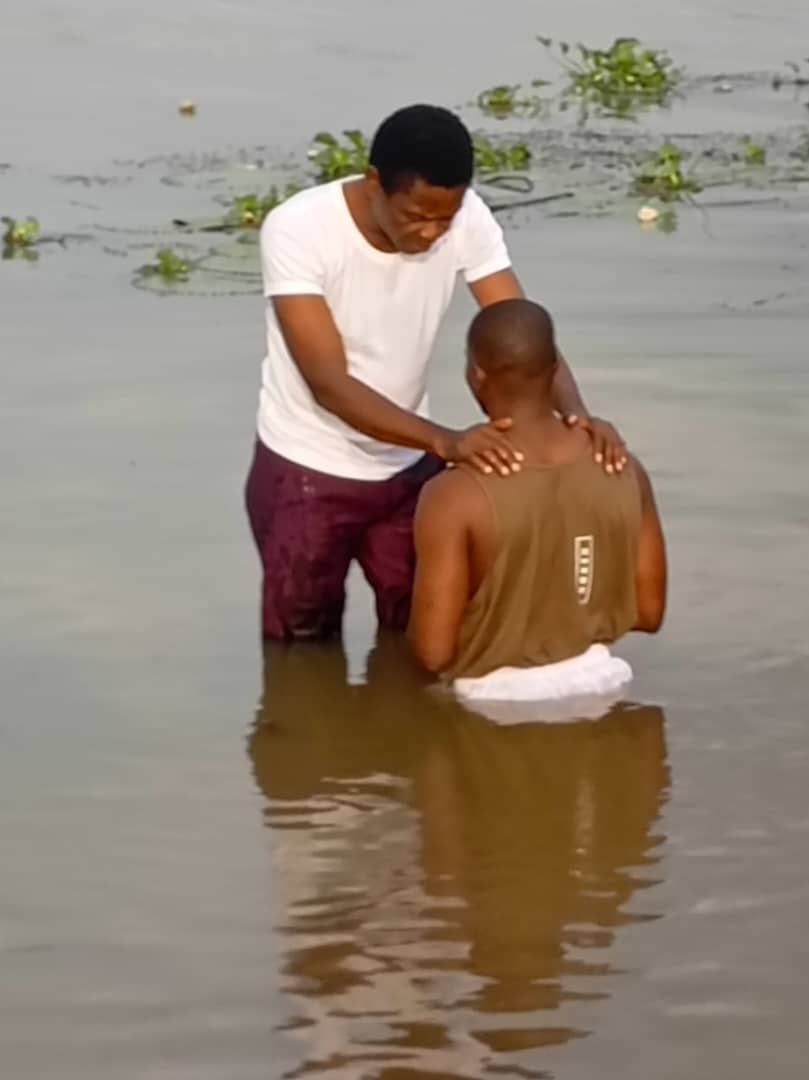

A Story: The Life of Chim‑ne-echerm
There was once a man called Chim‑ne-echerm, known quietly in his town not for wealth or titles, but for the way he treated people when no one was watching. He repaired broken sandals for children whose parents could not pay. He offered water to travelers before asking their names. When disputes arose, he listened longer than he spoke. Many wondered why he invested so much time and strength in others without expecting anything in return.
Years passed. Chim‑ne-echerm grew old. His back bent, his hands shook, and the small trade that sustained him faded with his strength. One season, sickness visited his body and hunger threatened his home. Those who once overlooked him now remembered him. The child whose sandals he fixed became a trader and brought food. The traveler he once refreshed returned as a healer. The young men he defended when they were weak now guarded his nights.
In his old age, Chim‑necherm did not beg for help. Help arrived because goodness had already gone ahead of him.
This is the nature of goodness: it moves slowly, but it never forgets its destination.
The Silent Nature of Goodness
Goodness does not announce itself. It has no trumpet and no urgency to be applauded. Unlike ambition, which seeks quick results, goodness is content to work unseen. It understands time as an ally, not an enemy. What is planted today may not feed today, but it will surely feed tomorrow.
Many abandon goodness because it seems inefficient. They measure value by speed and visibility. Yet the deepest forces in life work quietly. Roots grow in darkness before branches appear in light. Character forms in private long before it is tested in public. Goodness belongs to this hidden order of growth.
The Inner Formation of the Giver
Every act of goodness shapes the one who gives it. When a person consistently chooses kindness over convenience, patience over anger, integrity over advantage, something within them is trained. The heart becomes stable. The mind learns restraint. The soul gains depth.
Goodness is not merely something one does; it is something one becomes. It slowly rewires how a person sees others, not as tools, threats, or obstacles, but as fellow travelers in need of grace. This inner formation is a return that cannot be stolen by circumstance.
Why Goodness Often Appears to Lose
In the short term, goodness can look like weakness. Those who manipulate may advance faster. Those who exploit may gather more. Those who deceive may shine briefly. This creates the illusion that goodness is unprofitable.
But speed is not the same as sustainability. What rises quickly often collapses suddenly. What is built on selfishness must constantly defend itself. Goodness, however, builds allies without trying. It creates trust, and trust is one of the strongest currencies in human life.
The Weight of a Good Life
A life lived without goodness carries a hidden burden. Suspicion replaces peace. Fear replaces rest. The mind becomes a battlefield of justifications. Even success feels unsafe because it lacks moral grounding.
Goodness lightens the inner load. It aligns thought, action, and conscience. When a person knows they have acted rightly, sleep comes easier. Reflection brings less regret. Even suffering becomes bearable when the heart is not at war with itself.
Goodness as a Spiritual Currency
Across generations and cultures, goodness has been understood as a force that outlives physical strength. It connects the visible world to invisible consequences. What is released in love often returns in mercy. What is sown in compassion often rises as rescue.
This is not superstition; it is alignment. Life responds to posture. A heart inclined toward goodness places itself in harmony with principles that sustain communities and futures.
The Delay Is Not a Denial
One of the hardest lessons about goodness is waiting. Returns rarely come on schedule. Sometimes they arrive when the giver has forgotten the seed entirely. Other times they appear in a form different from what was imagined.
Chim‑ne-echerm did not help people to secure his old age. Yet his old age was secured by help. Goodness does not negotiate terms; it trusts timing.
How Communities Are Healed by Slow Virtue
Communities decay when everyone seeks immediate gain. Trust erodes. Cooperation collapses. Fear multiplies. Goodness reverses this decay quietly. One honest act restores faith. One merciful response interrupts cycles of bitterness. One faithful person becomes a reference point for hope.
History often turns not on loud heroes, but on consistent, unseen goodness practiced by ordinary people.
When Goodness Becomes Legacy
Wealth can be spent. Influence can fade. Strength can fail. But goodness becomes memory, and memory becomes guidance. People tell stories about how they were treated long after they forget what they were given.
Chim‑ne-echerm left no inheritance of land or gold. Yet he left a living inheritance in the hearts of those who remembered his kindness. That inheritance returned to him when he needed it most.
A Closing Reflection
Goodness is a slow investment with lasting returns. It demands patience in a world addicted to speed. It asks faith in a culture obsessed with proof. Yet it never disappoints.
Those who choose goodness are not losing time; they are securing the future. They may walk unnoticed for years, but when the evening of life comes, they discover that goodness has been walking ahead of them all along.
What you give in goodness today is already preparing a place for you tomorrow.
“And let us not be weary in well doing: for in due season we shall reap, if we faint not.”
Galatians 6:9 (KJV)