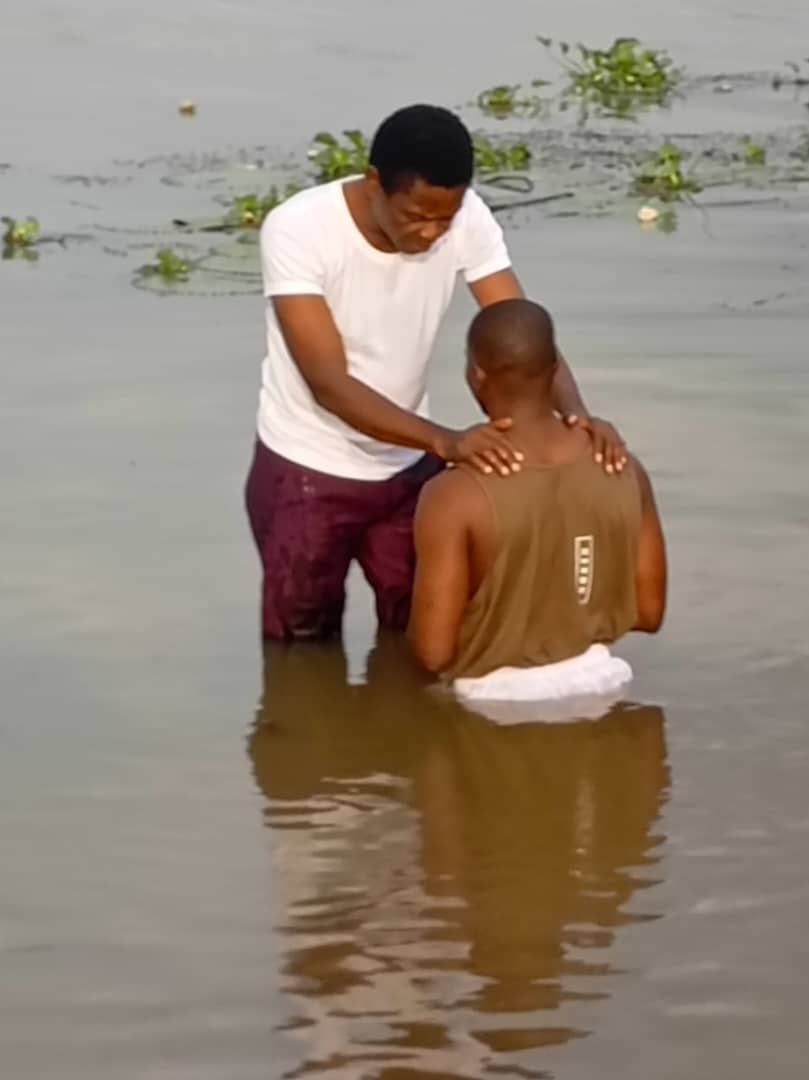

“Watch ye, stand fast in the faith, quit you like men, be strong.”
1 Corinthians 16:13 (KJV)
“The one who sees the rain coming fixes his roof while the sun is still shining.”
African reflection
The Silent Language of Consequences
Life rarely punishes suddenly. What feels like sudden collapse is usually the final echo of long-ignored signals. Relationships do not break overnight; they fray slowly through overlooked words, unchecked pride, and unresolved wounds. Health does not vanish in a day; it erodes through habits excused as harmless. Integrity does not fall in a moment; it bends gradually through small compromises made convenient by time.
Vigilance is the art of noticing while correction is still gentle. It is choosing awareness over comfort, discipline over denial, and responsibility over convenience. Life rewards this posture quietly through stability, clarity, and peace that feel ordinary only because they were earned early.
Vigilance as a Way of Seeing
Vigilance begins in perception. It is not merely watching events but interpreting meaning. Two people can experience the same season; one grows wiser, the other grows bitter. The difference is attention.
A vigilant mind does not rush past discomfort. It pauses to ask, Why does this trouble me? A vigilant heart does not ignore inner resistance. It examines motives before they harden into patterns. Vigilance trains the inner life to read signs before they become sentences written in suffering.
Neglect, on the other hand, dulls perception. It teaches the mind to normalize warning signs and the heart to tolerate what should be confronted. Over time, neglect makes disaster feel unfair when it is actually overdue.
The Inner Watchman
Every life has an inner watchman, a conscience, a moral compass, a quiet sense of “this matters.” When honored, it guides gently. When ignored, it grows louder through unrest, anxiety, and dissatisfaction.
Vigilance keeps the watchman awake. It asks hard questions early:
Is this path shaping me into who I am meant to become?
Is this habit strengthening or weakening my future?
Is this silence wisdom or avoidance?
Maturity is not proven by dramatic moments but by consistent alertness. Many crises are avoided not by miracles but by obedience to small inner warnings.
The Cost of Delay
Neglect is rarely chosen directly; it is chosen through delay. Delay to have the difficult conversation. Delay to change the destructive habit. Delay to seek counsel. Delay to repent. Delay to forgive.
Each delay feels harmless. Together, they compound into captivity.
Life does not rush to punish delay, but it records it. Time becomes an accomplice, reinforcing what is repeated. By the time punishment arrives, the roots are deep, and the cost of correction is higher than it ever needed to be.
Vigilance understands that early effort is cheaper than late repair.
Emotional Vigilance: Guarding the Inner Climate
Unchecked emotions do not remain private; they become architects of behavior. Resentment ignored becomes bitterness. Fear unmanaged becomes control. Pride unexamined becomes isolation.
Vigilance involves emotional honesty. It is the courage to admit when something has entered the heart that does not belong there. It is choosing to process pain rather than store it, to confront envy rather than justify it, to release offense rather than rehearse it.
Life rewards emotional vigilance with lightness of being. Neglect burdens the inner life until even joy feels heavy.
Vigilance in Character Formation
Character is not built under pressure; it is revealed there. What pressure exposes, daily vigilance constructs.
Small daily decisions, telling the truth when a lie would be easier, doing the right thing when no one is watching, choosing restraint when excess is celebrated form a moral muscle. Life rewards this long before applause arrives. Doors open quietly. Trust grows steadily. Peace settles deeply.
Neglect in character, however, accumulates interest. One compromised value invites another until the person no longer recognizes the self they have become.
Faith as Watchfulness
Faith is not passive optimism; it is active watchfulness. Scripture repeatedly calls believers to watch, stand, guard, and endure. This language assumes danger, not to inspire fear, but responsibility.
Vigilant faith discerns seasons. It knows when to wait and when to act, when to speak and when to be silent. It resists inward sleep, the condition where rituals continue but discernment fades.
Neglect in faith often looks like busyness without depth. Activities multiply while intimacy with truth declines. Life eventually exposes this imbalance, but vigilance keeps devotion alive and aligned.
Relationships and the Ministry of Attention
Healthy relationships survive on attention. Not control, not perfection, attention. Vigilance notices shifts in tone, distance in conversation, and patterns of withdrawal. It addresses issues while love can still heal them.
Neglect assumes closeness will maintain itself. It ignores small hurts until they grow into walls. Life rewards relational vigilance with loyalty and mutual growth. It punishes neglect with misunderstanding, resentment, and loss that feels sudden but was long prepared.
The Future Belongs to the Alert
Vigilance is future-minded. It understands that tomorrow is shaped by today’s awareness. Those who watch their steps walk farther with less regret. Those who ignore their footing fall repeatedly in the same places.
Life entrusts more responsibility to those who prove alert with little. Vision expands for those who guard discipline. Opportunity follows those who respect consequence before consequence demands respect.
Neglect limits destiny not because life is cruel, but because trust requires readiness.
Living Awake
To live vigilantly is to live awake. Awake to self. Awake to time. Awake to truth. Awake to God.
It is choosing to be a steward rather than a victim, a participant rather than a passenger. Life does not ask for perfection, only attention. When vigilance becomes a lifestyle, punishment becomes rare, correction becomes gentle, and growth becomes steady.
Closing Reflection
Life is a patient teacher. It prefers to reward wisdom quietly rather than correct foolishness loudly. Those who learn early walk lightly. Those who ignore lessons walk heavily, but both are taught.
Therefore, Long before life raises its voice in correction, it whispers instructions. Those who learn to listen early rarely need to learn through pain. Vigilance is not paranoia; it is reverence for consequence. It is the quiet discipline of paying attention while things still seem fine.